Discover Africa’s Big Five and the best African safari destinations! The African Big Five are the world’s most popular tourist attraction, and are the very reason there is such a thing as an African Safari! Once known among ancient hunters as the most difficult and dangerous animals to approach up close, the Big Five (lion, leopard, buffalo, elephant, and rhino) have since become symbols of conservation, reverence, and awe.
Today, many travelers journey across Africa’s sweeping savannahs, dense forests, deserts, and ancient floodplains in search of that electric moment when wild eyes meet human wonder. While not all sightings may be guaranteed during wildlife viewing expeditions, encountering the African Big Five is the most rewarding and satisfying sighting on an African safari. These species represent different aspects of Africa’s wilderness; from the lion’s dominance and the leopard’s elusive nature, to the rhino’s ancient resilience, and the elephant’s ancient intelligence.
What Are the African Big Five?
African Elephant
African elephants are the largest mammals on Earth, characterized by intelligence, emotion, and astonishing social skills. The mammals often move in family herds led by wise matriarchs, and they communicate through low rumbles that travel for miles. In Africa, they are most commonly seen in open savannahs, woodlands, and river valleys, where water pools draw them in steadily and predictably.
African Buffalo
Both calm and unpredictable, the African buffalo is powerful and formidable. They include cape buffalo – mostly found in Southern Africa, forest buffalo – mostly found in Central and West African forests, and the Sudan buffalo, which is mostly found in Northern and Eastern Africa. Herds can number in the hundreds, often moving like a single living organism across the plains. African buffalo are among the most widely distributed of the Big Five and are a guarantee in most major safari parks.
Lion
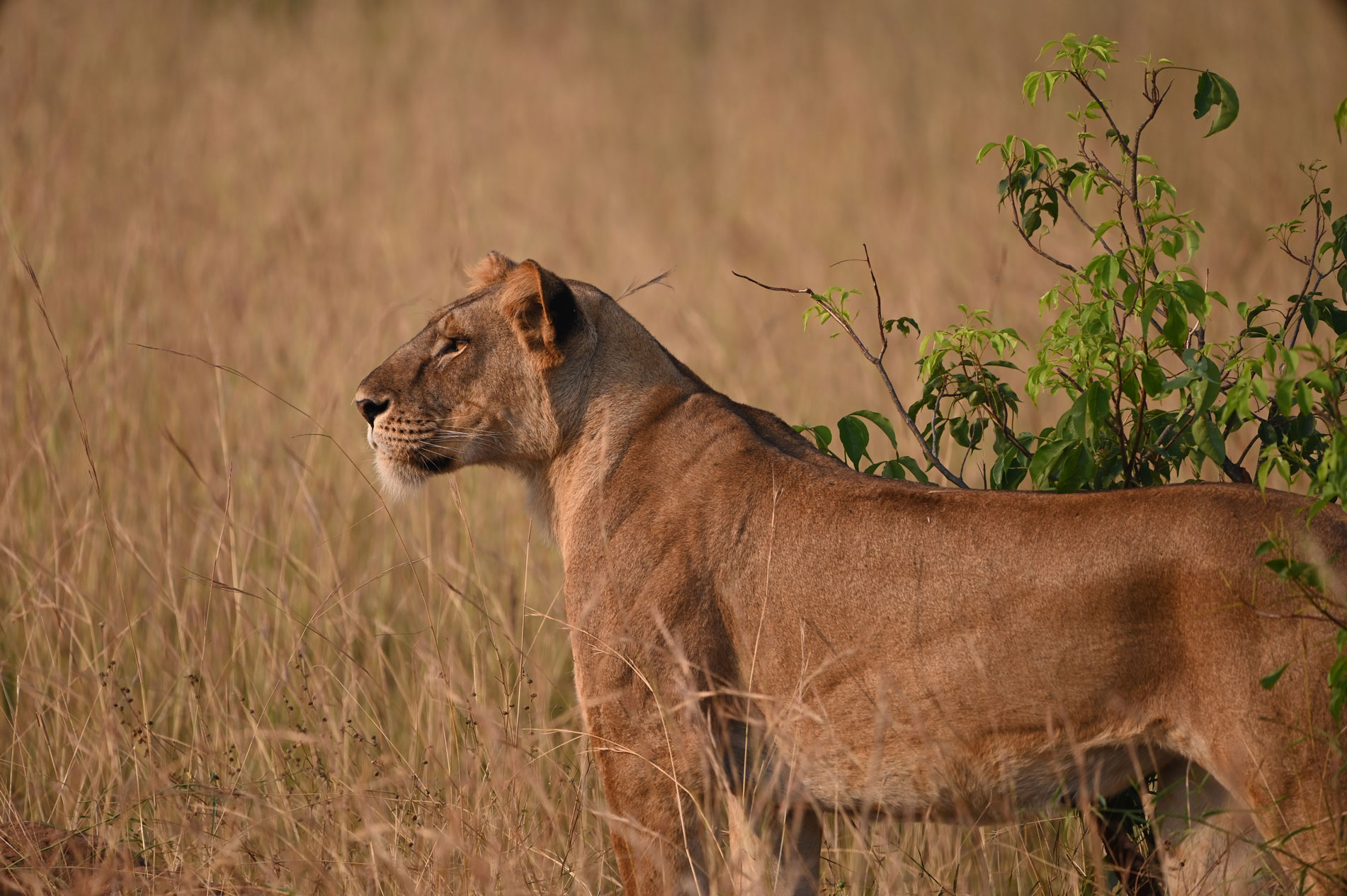
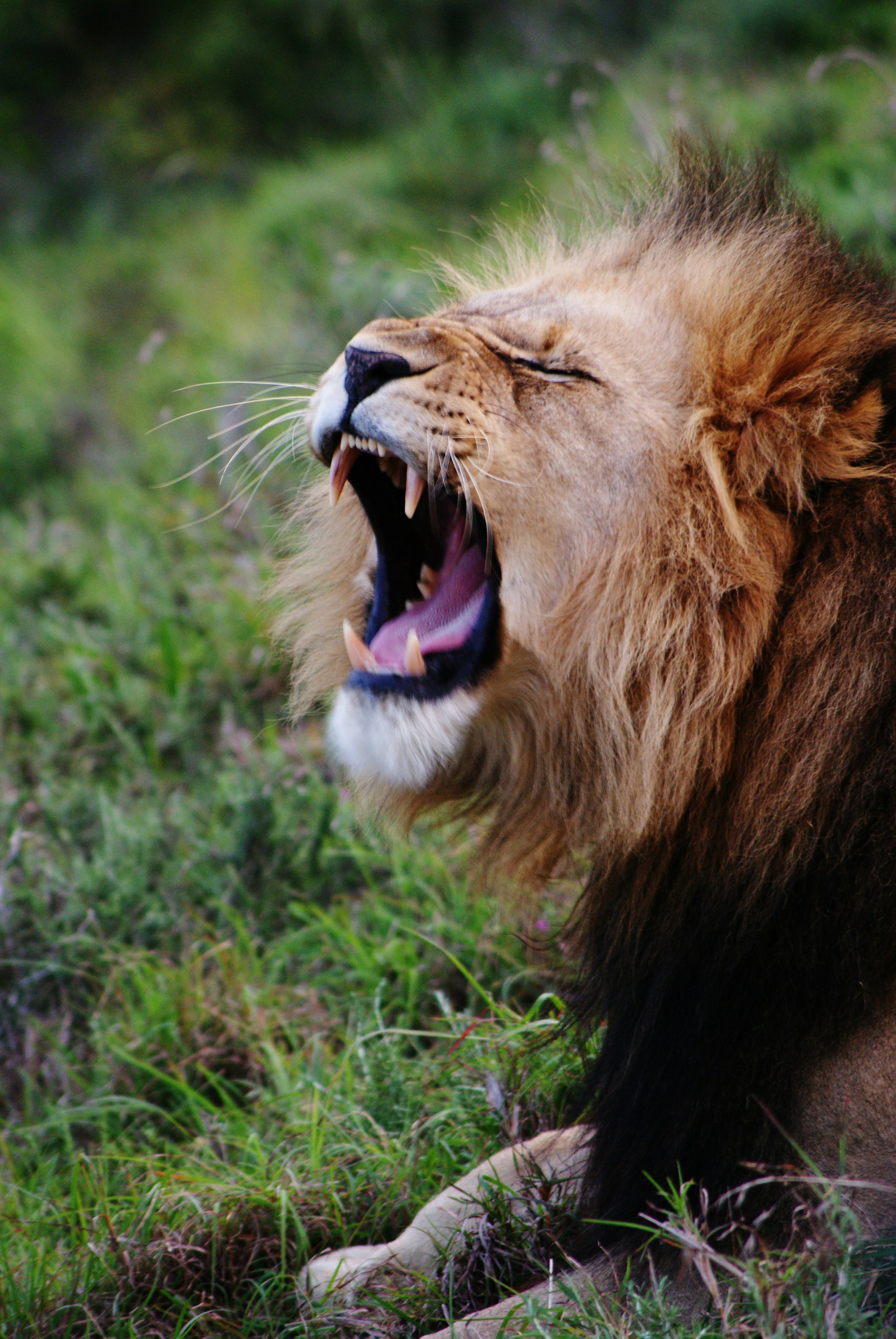
Lions are the only big cats that live in social prides – family groups that cooperate to hunt, raise young, and defend territories. Regal, yet raw, they are also often somewhat the easiest predators to encounter on African safaris, and early mornings or late evenings and night game drives offer the best time to spot them. They are best spotted in the dry season when prey concentrates around water sources.
Leopard
Elusive and solitary yet beautifully patterned, the leopard is the most mysterious member of the African Big Five. The predators move like shadows, and they hunt silently while storing kills in trees. To spot a leopard on an African safari is to feel lucky, and to see one clearly is to feel chosen by the wild. Leopards in Africa mostly thrive in woodlands, riverine forests, and rocky escarpments.
Rhinoceros
Africa is home to two rhino species: the black rhino and the white rhino. Black rhinos are smaller, solitary, and prefer dense bush and shrubs, while white rhinos are larger and are often seen in groups, grazing in open grasslands. Both species face severe threats from poaching, making them a focus of Africa’s most critical conservation efforts. Rhinos are massive and thick-skinned, yet surprisingly agile. They use their horns for defence, territorial displays, and digging for water or roots. Viewing a rhino on safari is one of the most unforgettable and grounding wildlife experiences.
Best African Big Five Safari destinations
South Africa – Kruger National Park
Located in northeastern South Africa, Kruger National Park is the country’s flagship wildlife reserve and probably one of the top places in Africa to see the Big Five. Spanning 19,485 square kilometers, the park protects a medley of habitats including savannah grasslands, acacia woodlands, and riverine forests that support strong, well-studied populations of elephants, lions, leopards, buffalo, and rhinos. The adjacent Sabi River region and Sabi Sands Private Reserve are particularly famous for exclusive wildlife viewing highlighted by near-guaranteed leopard sightings, while the country’s central grasslands around Satara offer some of the best lion encounters in the park.
In addition to Kruger, South Africa offers Big Five safaris in other regions, including the Eastern Cape’s Addo Elephant National Park, where large herds of elephants, and a variety of lions, buffalo, and black rhinos can be seen, as well as private reserves such as Madikwe, Shamwari, Amakhala, and Kwandwe, which provide luxury lodges, off-road tracking, and more exclusive wildlife encounters.
Botswana – Chobe National Park & The Okavango Delta
Botswana holds the largest population of elephants in Africa, with especially high concentrations in Chobe National Park. Located north of the country, the Park’s Chobe Riverfront is one of the best places on the continent to witness hundreds of elephants gathering during the dry season (August to October), often alongside large herds of buffalo. The park also supports established prides of lions and regular leopard sightings, making it a reliable Big Five destination. The safaris are accessible by both vehicle and boat safaris, with the boat safaris offering more exceptional close-up views of elephants, hippos, crocodiles, and antelopes that come to drink and graze along the riverbanks.
To the southwest, the Okavango Delta offers a more immersive and remote safari experience. This seasonal inland delta floods between June and September, transforming the Kalahari sand basin into a medley of channels, lagoons, palm islands, and grassy floodplains. Wildlife here moves with the water, creating immersive Big Five viewing, including elephants, lions, leopards, buffalo, hippos, crocodiles, and antelope across shifting habitats. Recently reintroduced, the rhinos here are mainly found in protected private concessions, like Mombo and Selinda, where monitoring and anti-poaching patrols are strongest. Safari activities here are varied and intimate, ranging from traditional mokoro canoe excursions and boat safaris to walking safaris and off-road game drives in exclusive low-visitor wilderness areas.
Kenya – Masai Mara National Reserve
Located in southwestern Kenya, Masai Mara National Reserve is Kenya’s most famous wildlife destination and a premier spot to see the Big Five in Africa. The reserve covers an area of 1,510 square kilometers, defined by sweeping savannahs, acacia-dotted woodlands, and riverine corridors that support dense populations of lions, leopards, elephants, buffalo, and cheetahs, creating a dynamic predator-prey landscape, perfect for wildlife sightings. Moreover, the Mara connects seamlessly with Tanzania’s Serengeti, forming a single, expansive ecosystem and making it a central stage for the Great Wildebeest Migration (from July to October), where over a million wildebeest and zebras traverse the plains in search of fresh grass.
The reserve’s private conservancies, such as Olare Motorogi, Mara Naboisho, and Ol Chorro, while limiting the number of vehicles, offer off-road tracking, guided walks, and night drives, offering more intimate and exclusive Big Five encounters.
In addition to the Masai Mara, Kenya offers Big Five safaris in Amboseli National Park, Tsavo East and West National Parks, and the Laikipia Plateau, which is known for its private, luxury safari lodges and impressive rhino density (both black and white).
Tanzania – Serengeti National Park & Ngorongoro Conservation Area
Tanzania’s Serengeti National Park is a legendary African wildlife destination and a must-visit for Big Five safaris, located in the country’s northern region. The park’s vast, endless plains, riverine forests, and rocky kopjes support thriving populations of lions, leopards, elephants, buffalo, and rhinos, alongside zebras, wildebeest, and cheetahs. Serengeti is also the heart of the Great Migration (November – July), when more than a million wildebeest, gazelles, and zebras sweep across the plains, creating breathtaking predator-prey drama that creates unparalleled wildlife displays that few places on earth can match.
Adjacent to the Serengeti, the Ngorongoro Conservation Area offers a unique, self-contained ecosystem within a massive volcanic caldera of around 300 square kilometers. The UNESCO World Heritage Site holds nearly 30,000 large mammals, including lions, leopards, buffalo, elephants, and the rare black rhino. The region also hosts the calving season during the Great Migration (January to March), offering the chance to witness the unparalleled spectacle.
Namibia – Etosha National Park
Located in northern Namibia, Etosha National Park is the country’s premier wildlife reserve, built around the immense Etosha Pan, a shimmering salt flat stretching across the horizon. During the dry season (May – October), plenty of wildlife gathers around permanent waterholes in the salt pan, offering reliable Big Five sightings, including elephants, lions, leopards, and black rhinos. The park lacks buffalo, but the presence of the other, more than makes up for any Big Five safari here. Moreover, the park’s stark, open landscapes give each encounter a sense of scale and solitude, with the views of the salt pan acting as a backdrop.
Zimbabwe – Hwange National Park & Mana Pools National Park
Located in northwestern Zimbabwe, Hwange National Park is the country’s largest game reserve and a top destination to see the Big Five. While it is less visited, the park’s fewer crowds provide intimate experiences with plenty of wildlife encounters. Hwange is home to over 30,000 elephants, along with large numbers of buffalo, lions, leopards, black rhinos, and cheetahs. Waterholes across the park concentrate wildlife during the dry season, offering predictable and rewarding sightings.
To the north of Zimbabwe, Mana Pools National Park along the Zambezi River provides one of Africa’s premier walking safari experiences. Top hotspots include the park’s winterthorn and mahogany forests, where expert guides and armed rangers track wildlife, delivering intimate and immersive encounters with species like elephants, buffalo, wild dogs, impalas, and predators such as lions and leopards.
Zambia – South Luangwa National Park
South Luangwa National Park in eastern Zambia is one of Africa’s premier Big Five destinations and is recognized as the birthplace of the walking safari. The Park is particularly renowned for its high density of leopards and large elephant herds, but is also home to a range of lions, buffalo, and the rare black rhino.
Types of African Big Five Safaris
Budget-Friendly African Big Five Safaris
Budget safaris provide authentic Big Five safari experiences without high costs. Here, you can expect to share vehicles, stay in simple but comfortable accommodations, and experience reliable wildlife viewing, making it ideal for cost-conscious adventurers. Parks such as Kruger (South Africa), the Mara (Kenya), and Hwange (Zimbabwe) offer the best budget-friendly Big Five safaris featuring shared game drives and public or semi-public lodges that make safaris accessible.
Mid-Range African Big Five Safaris
These Big Five safaris offer a balance of comfort and affordability. Accommodation is in lodges or tented camps, offering cozy amenities, group game drives, and expert guiding, delivering reliable wildlife sightings without the premium price. Popular options include Madikwe (South Africa), Etosha (Namibia), and Masai Mara (Kenya).
Luxury African Big Five Safaris
Luxury safaris combine privacy, exclusivity, and high comfort. These experiences take place in private reserves or concessions, where wildlife is habituated to vehicles, allowing closer and more relaxed encounters. Expect to enjoy luxury accommodations ranging from tented camps with en-suite bathrooms to full-service lodges, with gourmet dining, private game drives, and personalized guiding. Best destinations include Sabi Sands (South Africa, the Okavango Delta (Botswana), the Mara’s Private Conservancies (Kenya), and private Serengeti concessions (Tanzania).
Solo African Big Five Safaris
Solo Big Five safaris are designed for independent travelers who want to explore Africa's Big Five destinations at their own pace. Parks like the Serengeti (Tanzania), South Luangwa (Zambia), and the Mara’s Conservancies (Kenya) offer solo personal guiding, flexible schedules, and welcoming accommodations, ensuring intimate and self-directed wildlife experiences.
Guided African Big Five Safaris
Guided Big Five safaris focus on expert knowledge and interpretation, where a dedicated guide explains animal behavior, ecosystem diversity, and helps track wildlife during game viewing, making the entire safari both educational and immersive. Guided safaris are ideal for first-time visitors or wildlife enthusiasts, and luckily, all the recommended Big Five destinations offer guided safaris.
Family African Big Five Safaris
Suitable for families, family safaris prioritize safety, comfort, and flexible pacing during the safari. The safaris are characterized by stays at child-friendly lodges and camps, child-friendly guides, family suites, and shorter game drives, allowing extensive viewing without long hours in the vehicle. Top destinations include the Masai Mara, the Serengeti, Kruger, and Etosha, among many others.
Plan your journey with a local expert
Speak with the Whitan team about your plans and get personal advice for your trip.