Before you book
Fees, permit policies, age requirements and seasonal conditions can change. Confirm current details with Whitan Safaris before paying or finalising travel plans.
Introduction
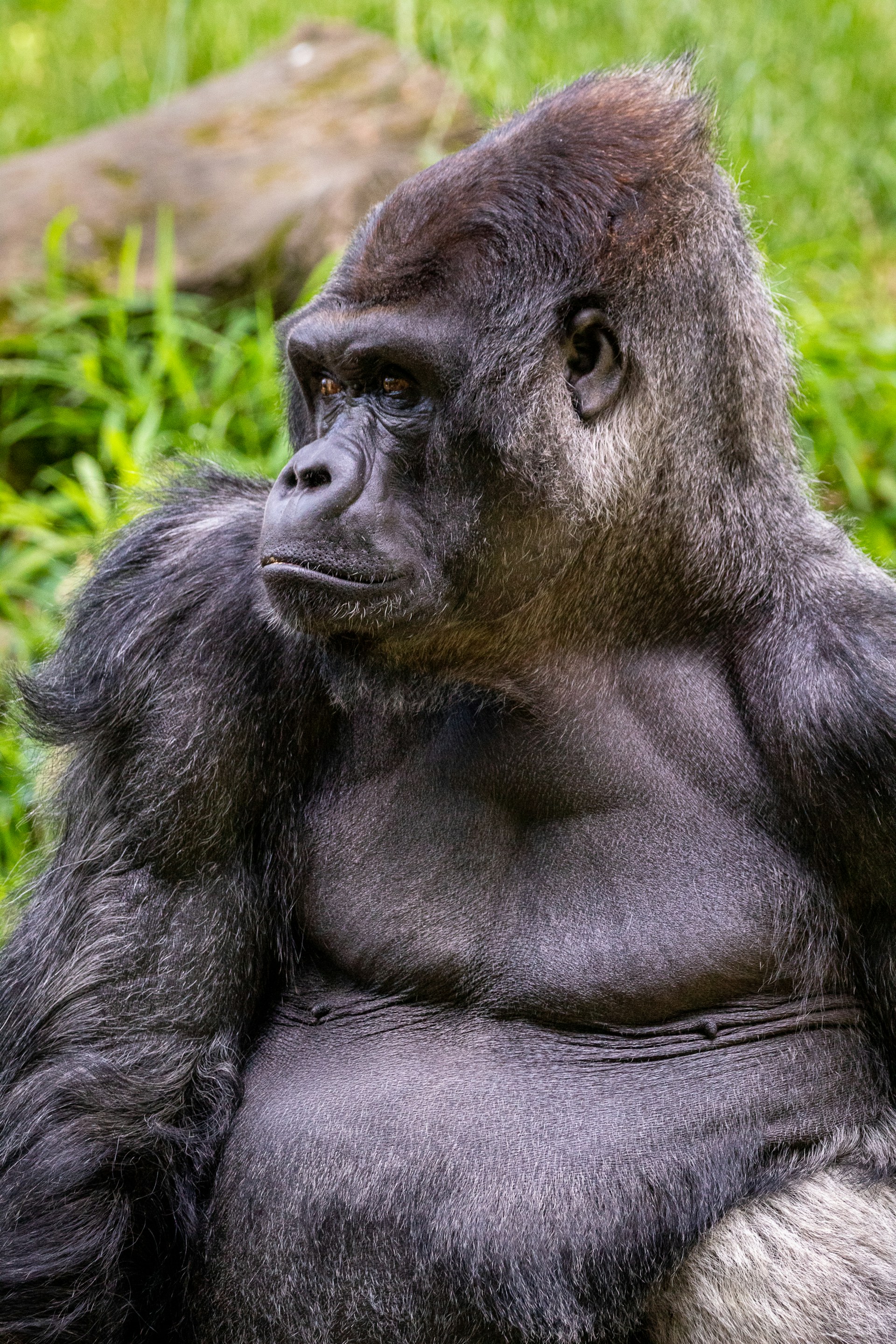
Gorilla trekking in Uganda is one of those rare safari experiences that stays with you long after you leave the forest. You’re led through the dense undergrowth of Bwindi or Mgahinga, guided by expert guides and trackers who know every fold of the land, until you finally stand a few metres from a mountain gorilla family — silverbacks, mothers, and playful youngsters going about their day as if you were simply part of the landscape. It’s traded for one of the closest wildlife encounters left on the planet. Gorilla trekking is physical and a little unpredictable, but it's become one of East Africa's defining safari experiences.
The best time for gorilla trekking in Uganda depends on what you value most. The right month means firmer trails, clearer views, and an easier climb; the wrong one means mud to your knees and a hike that runs longer than planned. Our guide shows you the best time to go, month-by-month, what to expect, and permit prices for 2026/27.
Gorilla Trekking in Uganda and Why Conservation Matters
Mountain gorillas exist in only two places on Earth: the Virunga Massif spanning Uganda, Rwanda, and the Democratic Republic of Congo, and Uganda's Bwindi Impenetrable National Forest Park. The most recent confirmed census put the global population at 1,063 individuals — enough to see the species downgraded from Critically Endangered to Endangered on the IUCN Red List, though it remains one of the rarest great apes alive. A new population count launched in 2025 is still underway, so that 1,063 figure is the latest verified number as of this writing.
Every trekking permit funds this recovery directly. Permit revenue pays for ranger patrols, anti-poaching work, and the community programs that give people living around the park a stake in keeping gorillas alive rather than in conflict with them. Without this carefully managed tourism, the long-term future of these animals would be far less secure.
Where to Trek Gorillas in Uganda: Parks, Sectors, Gorilla families
Uganda offers gorilla trekking in two parks. Bwindi Impenetrable Forest National Park, in the southwest, holds the majority of habituated families across four sectors (Buhoma, Ruhija, Rushaga, and Nkuringo), each with its own access point, trekking difficulty profile, and set of gorilla groups.
Mgahinga Gorilla National Park, further south on the Virunga slopes, has a single habituated family, the Nyakagezi group, known for occasionally wandering into Rwanda. Between them, roughly 20 gorilla families are open to visitors, each tracked daily by trackers who report the family's overnight location before your group sets out.
The trek itself
Each visitor group is capped at eight people per gorilla family, per day — a rule that limits stress on the animals and keeps the experience intimate. The hike to reach a family can take anywhere from 1 to 6 hours depending on where the gorillas nested the night before, followed by exactly one hour in their company once you've found them. It's steep, often muddy, and genuinely tiring, but nothing about it requires technical climbing skill, just a reasonable level of fitness and a willingness to get dirty.
When Is the Best Time for Gorilla Trekking in Uganda?
Direct answer: The best months are June to August and December to February, Uganda's two dry seasons, when trails are firmest and visibility is best. If budget matters more than trail conditions, April, May, and November now carry a discounted $600 permit, introduced in 2026.
Understanding Uganda’s Safari Seasons
Dry Seasons
The dry seasons in Uganda are June to August and December to February. There is less rainfall. The forest paths become firmer. Walking through the forests is easier. Bwindi forest sits high (about 1,160 to 2,600 metres), so it stays cool all year. Day temperatures are usually 20 – 25°C. Nights drop to 10 – 13°C, and higher places feel colder.
June and July are the coolest and driest months. December to February is shorter and milder, while January is usually the warmest month.
Wet Seasons
The wet seasons fall in March to May (the long rains, peaking in April), and September to November, when rainfall builds gradually. October is typically the wettest month of the season. Temperatures barely shift between seasons, but rainfall does dramatically: Bwindi averages around 1,400–1,900 mm a year, with wet-season months bringing over 300mm each versus roughly 75 – 80mm in driest month (July).
Trails get muddy, hikes can last longer, and rain gear stops being optional. In exchange, lodges cut rates, crowds thin out, and the forest turns a deeper, more dramatic green.
Month-by-Month Breakdown
January
One of the warmer dry months. Trails are firm, skies are mostly clear, and the hike feels comfortable. It is still popular after the holiday period, so the better lodges and preferred gorilla groups can fill up.
• Carry: Sunscreen and a light layer for the cool mornings.
February
Still dry, with warm days and cooler nights. One of the best all-round months for trekking and photography.
• Carry: a light waterproof jacket just in case — rain can still surprise you near the equator.
March
The long rains begin to return. Early in the month you can still enjoy fairly dry trails, while crowds start thinning and lodge prices begin to ease. By mid-to-late March the paths soften.
• Carry: Waterproof boots and gaiters.
April
The peak of the long rains. This is the quietest month and one of the best for the $600 low-season permits as of 2026. The forest looks its greenest, but the trails are at their muddiest and most demanding.
• Carry: Full rain gear and a dry bag for electronics.
May
Still quiet, with the $600 permits continuing. The rain slowly eases toward the end of the month, but most of May remains wet underfoot.
• Carry: Waterproof boots and a rain poncho.
June
The long dry season begins. Trails firm up quickly, and the overall conditions become much more pleasant for walking. Visitor numbers also start rising, so the better lodges begin to fill.
• Carry: A warm layer for the early mornings.
July
The coolest and driest month of the year. Visibility is at its best, and the trails are in excellent shape. It is also the busiest month, so permits and rooms sell out fastest.
• Carry: Book well ahead. Light layers for the temperature changes during the day.
August
Dry weather continues, tourist numbers stay high. Reliable trekking conditions throughout.
• Carry: sun protection, sturdy boots.
September
A useful transition month. Conditions stay mostly dry, and there are fewer people than in July and August. Occasional showers start to return later in the month.
• Carry: A light rain jacket as a precaution.
October
The short rains begin. Trails become wetter and more slippery, but there are fewer trekkers and the parks feel quieter. The forest turns a deeper green.
• Carry: Waterproof gear and insect repellent.
November
The short rains continue, and this is another month with the $600 low-season permits. Crowds stay low, and lodge deals improve, though the paths remain muddy.
• Carry: Full rain protection and a warm layer for the cooler evenings.
December
The short dry season begins; rainfall eases. High demand builds fast around Christmas and New Year.
• Carry: standard trekking gear; book well ahead for holiday dates.
Practical Considerations for Choosing the Right Time for Your Gorilla Trek
Bwindi sectors and Mgahinga: Location Matters as Much as the Month
Bwindi's four sectors aren't interchangeable. Buhoma, in the north, tends to have gentler terrain and is popular with first-time trekkers. Ruhija sits at a higher altitude and can mean a colder start. Rushaga and Nkuringo, in the south, are steeper and better suited to trekkers comfortable with a harder climb. Rushaga is also where the Gorilla Habituation Experience is offered (the only place in East Africa where this experience is offered).
Mgahinga's single family, on the other hand, offers far less competition for permits and is usually quieter, offering a more intimate experience. Sector choice affects both the physical challenge and logistics more than the calendar alone.
Peak season vs. Low and Shoulder Seasons
Peak season (June – August, and the December holidays) means better trails but higher demand and prices.
Low and shoulder periods offer savings, fewer people, and a $600 discounted permit in April/May/November. The trade-off is mud and potentially longer or more physical walks.
Other key points worth considering;
• Fitness matters more than the season. All treks involve uneven ground, roots, and elevation changes, which require good physical shape. Altitude ranges from roughly 1,160 to 2,600 meters across the park, so a night or two acclimatizing beforehand helps.
• Porters are available and recommended at a cost of around $20 per person. These support local communities and make your trek more comfortable.
• Rain can fall any month. Treat every trek as potentially wet underfoot.
• Because gorilla families move daily, no month guarantees a short trek — even the dry-season trails can mean hours of walking if the family has ranged far.
Gorilla Permit Prices in Uganda: Costs and Booking
Permit pricing for gorilla trekking in Uganda changed meaningfully in 2026, and it's worth knowing the current numbers before you commit to dates.
| Permit type | Foreign non-resident | Foreign resident | East African citizen |
|---|---|---|---|
| Standard (peak/shoulder) | $800 | $700 | UGX 300,000 |
| Low-season (April, May, November) | $600 | $500 | UGX 300,000 |
| Gorilla Habituation Experience | $1,500 | $1,000 | UGX 750,000 |
For anyone booking now:
The low-season discount, introduced February 26, 2026, cuts the standard permit by $200 for treks in April, May, and November. It's a genuine saving, but these permits are non-reschedulable, so only book them if your travel dates are firm.
Direct UWA bookings ended March 1, 2026. Individual travelers can no longer purchase permits straight from the Uganda Wildlife Authority; all bookings must now go through a licensed Ugandan tour operator. Any source still describing a self-service UWA portal is out of date.
The Gorilla Habituation Experience (up to four hours with a group still being habituated) costs $1,500. East African citizens and other regional categories pay lower rates set by the Uganda Wildlife Authority.
Permits are limited to eight people per gorilla family per day. Book through a licensed operator. Peak months often need 6 – 9 months’ notice. The low season is more flexible, but the discounted permits are date-specific.
Packing List for a Gorilla Trekking Safari in Uganda
• Waterproof, ankle-supporting hiking boots — already broken in, not new out of the box
• Gardening gloves, for gripping vegetation on steep sections
• A light long-sleeved shirt and trousers tucked into socks (nettles and safari ants are real)
• A rain jacket, regardless of season — Bwindi can surprise you any month
• A daypack with water, snacks, and a dry bag for your phone or camera
• A walking stick (usually provided free at the trailhead)
• Insect repellent and sun protection
• A face mask — some sectors still require one to protect gorillas from human respiratory illness
FAQs
Is gorilla trekking possible year-round in Uganda?
Yes. Both Bwindi and Mgahinga stay open every month of the year. The dry seasons offer firmer trails, but wet-season treks run regularly as long as you have the right gear.
How far in advance should I book a gorilla permit?
Book 6 – 9 months ahead for June – August and the December holidays. January –February usually needs 3 – 6 months. Low-season months (especially April, May and November) often have better last-minute availability, though the $600 discounted permits can still sell out.
What is the cheapest time to go gorilla trekking in Uganda?
April, May and November. These months offer the $600 low-season permit plus lower lodge rates. It is currently the best-value window available, provided your dates are fixed (the discounted permits cannot be changed).
Can I still book a gorilla permit directly with the Uganda Wildlife Authority?
No. Since 1 March 2026, all foreign visitors must book through a licensed tour operator. Direct purchase from UWA is no longer possible for most travellers.
How physically demanding is gorilla trekking?
It ranges from moderate to demanding, depending on the sector and where the gorilla family is that day. A reasonable level of fitness helps. Porters are available at every trailhead if you want extra support.
Which Bwindi sector is best for a first-time trekker?
Buhoma is often recommended for first-timers because the terrain is generally gentler. That said, the actual difficulty still depends on where the gorillas are located on the day of your trek.
Is the wet season worth it?
For many travellers, yes. You trade firmer trails for lower prices, fewer people, and a deeper green, more atmospheric forest. With proper rain gear, the experience can feel more intimate and memorable.
Plan your journey with a local expert
Speak with the Whitan team about your plans and get personal advice for your trip.