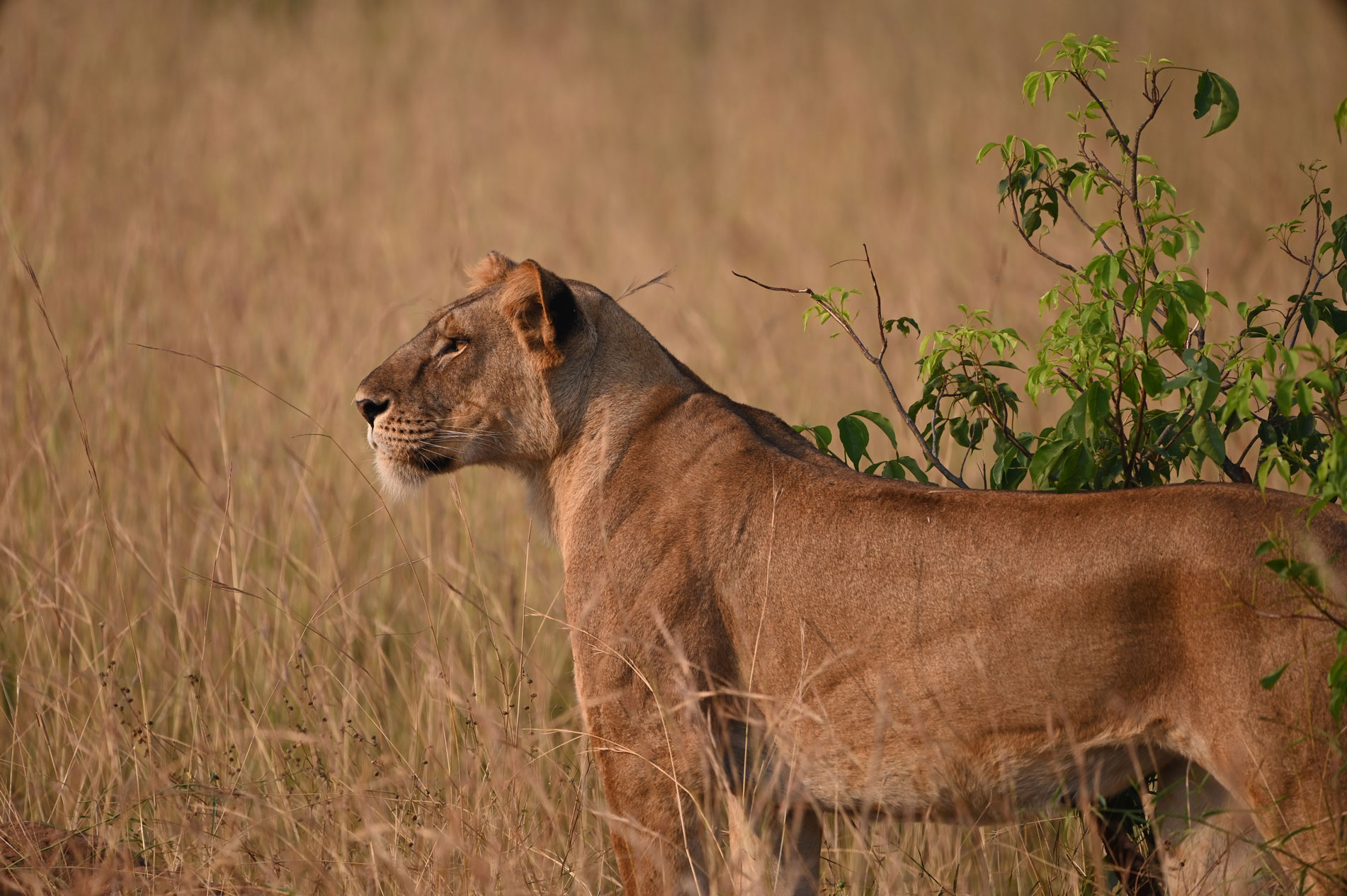

Kenya is one of Africa’s most stunning destinations, where wildlife, landscapes, and culture converge in unforgettable ways. Explore some of the world’s top pristine national parks and conservancies where the Big Five (lions, elephants, rhinos, leopards, and buffalo) roam freely, and witness the spectacular Great Migration in the Masai Mara. Meanwhile, the country’s rift valley lakes, including Nakuru and Bogoria, are alive with flamingos, geothermal springs, and dramatic escarpments, offering experiences found nowhere else on Earth.
Beyond wildlife, Kenya’s diverse landscapes captivate every traveler: trek the snow-capped slopes of Mount Kenya – Africa’s second-highest peak, wander through dense montane forests like Kakamega, which teem with wildlife, primates, and birdlife, or relax on white-sand beaches along the Indian Ocean. Kenya’s coastal towns and islands hum with history, culture, and warmth, while volcanic cliffs, arid deserts, and vibrant communities create a journey filled with discovery at every turn. Visiting Kenya is more than a trip; it is an immersive African experience that blends adventure, culture, and natural beauty to create memories that last a lifetime.
Best Things We Love About Visiting Kenya
The Annual Great Migration in the Masai Mara
One of Kenya’s greatest draws is the Great Migration – a colossal wildlife movement, where more than 1.5 million wildebeest, accompanied by hundreds of thousands of zebras and gazelles, make the long journey between Tanzania’s Serengeti and the Maasai Mara each year. From July to October, the herd gathers at the Mara River, where dramatic crossings unfold with crocodiles lurking in the water and predators like lions waiting on the banks.
The Mara River crossings are the climax of the Great Migration, and this high-stakes drama of survival isn’t just a visual thrill; it’s a testament to the rhythms of African ecosystems, which sustain predator populations and rejuvenate grasslands with every migration cycle. Visitors experience not just wildlife, but nature’s raw, unedited narrative in real time.
Aside from the Migration, the Mara is one of Africa’s strongest year-round safari destinations. Located in southwestern Kenya, the reserve boasts some of the highest densities of lions, cheetahs, and leopards on the continent, along with over 95 mammal species and over 470 bird species. Even outside migration season, the mix of open savannah, riverbanks, and acacia woodlands guarantees exceptional wildlife viewing, from big cats to elephants, giraffes, and hippos, making Masai Mara a consistently outstanding African safari destination.
Diverse Wildlife Encounters Beyond the Great Migration
While the Great Migration often takes center stage, Kenya’s wildlife magic stretches far beyond the Maasai Mara. In Amboseli National Park, immense herds of elephants move gracefully across the plains, their dusty silhouettes framed by the towering, snow-capped presence of Mount Kilimanjaro. It is one of East Africa’s most iconic safari scenes, a place where photographers, wildlife enthusiasts, and first-time travelers all find themselves quietly awed.
Farther north, Kenya’s landscapes shift into drier, rockier terrain, unveiling the unique worlds of Samburu National Reserve and Laikipia. Here, the country offers a different cast of characters: Grevy’s zebras, reticulated giraffes, gerenuks, Somali ostriches, and other species found nowhere else on the continent. On the other hand, Laikipia is one of Kenya’s strongholds for leopards, and the rocky outcrops of Samburu provide excellent chances to spot them in broad daylight. These regions are wonderfully uncrowded, allowing for slow, intimate wildlife encounters that feel entirely personal. Moreover, Kenya’s conservation-focused private conservancies ensure that your visit directly supports habitat protection and community-led tourism, a model where wildlife and people thrive together.
Across the country, top predator habitats stretch well beyond the Mara. Several lion prides thrive in the vast plains of Tsavo East and Tsavo West, while Amboseli offers reliable sightings of both lions and cheetahs against open savannah backdrops. In Meru National Park, cheetahs flourish in wide, lightly visited landscapes. Altogether, these regions create a nationwide tapestry of predator-rich ecosystems, giving travelers a multi-dimensional Kenyan safari experience that remains extraordinary in every season.
World‑Class Birding Tours
If you love birds, Kenya is a haven for birdwatching. The country boasts over 1,160 confirmed bird species, according to recent checklists. These include both resident species and migrants, making birding here a dynamic, year-round experience.
In the Rift Valley, the alkaline lakes like Lake Nakuru and Lake Bogoria host flamingos by the tens or even hundreds of thousands, turning their shores into a living pink canvas during the day. On the other hand, the country’s forested highlands, such as the Aberdare Range and Kakamega Forest, are home to a plethora of forest specialists and endemics, including species like the Taita Apalis, a critically endangered bird with fewer than a few hundred individuals remaining.
More importantly, Kenya is home to over 60 Important Birding Areas (IBAs) identified by BirdLife International, and each is crucial for protecting globally threatened and range-restricted species. Sites like the Arabuko-Sokoke Forest safeguard rare birds such as the Sokoke Scops Owl and Clarke’s Weaver, while National Parks like Amboseli host over 500 species, including the vulnerable Taveta Golden Weaver. Furthermore, northern Kenya’s Mount Kulal, recently recognized as an IBA, protects endangered vultures and the endemic Kulal white-eye. Together, these IBAs create one of Africa’s richest birding landscapes, making birdwatching in Kenya both a rewarding and conservation-focused experience.
Escape to Kenya’s Pristine White-Sand Beaches and Islands
Kenya’s Indian Ocean coastline feels like a different world, a serene contrast to the inland savannahs. Along this sun-kissed stretch, beaches like Diani, Watamu, Malindi, and Lamu unfold in ribbons of powder-white sand bordered by palms and warm, turquoise waters. These shores protect some of East Africa’s most important marine ecosystems, including the Watamu Marine National Park and parts of the Lamu Archipelago, where vibrant coral reefs, seagrass meadows, dolphins, sea turtles, and tropical fish thrive.
For many travelers, this means effortless access to a variety of water sports, including snorkeling, diving, kitesurfing, dhow cruises, and reef exploration, all in calm, clear lagoons sheltered by offshore coral reefs.
Then there is Lamu Island, one of the oldest and best-preserved Swahili settlements. Its UNESCO-recognized townscape offers visitors a maze of coral-stone houses, intricately carved doors, quiet alleyways, and bustling waterfronts where dhows have sailed for centuries. Lamu Island’s rhythm is slow, warm, and steeped in heritage, offering a cultural immersion that pairs beautifully with the coast’s natural beauty.
Experience Kenya’s Fascinating Cultures
Kenya’s cultural tapestry is as vibrant as its landscapes, shaped by more than 40 ethnic groups, each carrying its own language, traditions, and worldviews. Among the most celebrated are the Maasai and Samburu, pastoral communities, known for their striking red shukas, unique beadwork, age-set ceremonies, and deep spiritual ties to cattle and the land. Their stories, traditional dances, rituals, and ways of life offer travelers authentic into Kenya’s pastoral heritage.
Along the country’s coast, the cultural rhythm shifts into the warm, storied embrace of Swahili culture, especially in Lamu and the old town of Mombasa. Here, centuries of contact with Arab, Persian, Indian, and Portuguese traders have shaped a unique cultural identity that is reflected in the towns’ coral-stone structures featuring elaborately carved wooden doors, bustling spice markets, and the endless lines of dhows gliding across the Indian Ocean.
Travelers can join guided cultural walks and wander through the historic towns, taste local Swahili cuisine, explore spice markets, stay in community-run lodges, or attend festivals like the Lamu Cultural Festival. These experiences provide meaningful, respectful connections with the people who define Kenya’s living heritage.
Hike or Climb Mount Kenya’s Mountains and Volcanic Landscapes
Protected by Mount Kenya National Park, Mount Kenya, soaring to 5,199 metres, is the crown of Kenya’s highlands and one of East Africa’s most rewarding hiking and mountain climbing destinations. The mountain’s slopes read like a living textbook of ecology, framed by dense montane forests at the base, rising into bamboo belts, heather and moorland studded with giant groundsels, and finally the icy alpine zone that guards its famous peaks, Batian, Nelion, and Point Lenana. As a UNESCO World Heritage Site, Mount Kenya National Park protects rare wildlife such as Cape buffalo, elephants, duikers, hyraxes, the rare mountain antelope, and hundreds of bird species, making every climb feel like a blend of adventure and discovery.
For travellers who want dramatic scenery without a technical climb, Kenya’s Rift Valley volcanoes and escarpments offer equally unforgettable landscapes. Situated near Lake Naivasha, Hell’s Gate National Park offers towering adventurous cliffs, steam vents, and narrow gorges ideal for hiking, cycling, and rock climbing, while nearby Mount Longonot invites hikers to ascend its rugged crater rim and enjoy sweeping views of the valley below. Other popular hiking destinations in Kenya include the rugged Aberdare Range, famous for its misty moorlands and waterfall-filled valleys, the Loita Hills boasting quiet forested trails, and the Ngong Hills near Nairobi, where rolling ridges offer panoramic views over the Great Rift Valley.
Savor Kenyan Cuisine
Kenyan cuisine is a flavorful mosaic of local traditions, spices, and regional ingredients, all reflecting its breathtaking landscapes and inspiring cultures. Visitors can taste Nyama choma, slow-grilled goat or beef, which is the nation’s signature dish, often shared with ugali (maize porridge) and kachumbari (tomato-onion salad). This delicacy is served in most of the country’s lively local eateries. On the other hand, Highland regions such as Kericho, Nyeri, and Kiambu produce world-class tea and coffee, while western Kenya is known for fresh tilapia from Lake Victoria.
Along the coast, Swahili cuisine shines with coconut-based curries, cardamom, cloves, and fresh seafood from the Indian Ocean. The towns of Lamu and Mombasa feature lively spice markets and traditional dishes such as mahamri, a sweet, cardamom-infused pastry. Kenya’s cuisine invites travelers to taste the country’s heritage and cultural diversity, making every meal an adventure in itself, from roadside eateries to coastal markets, to mention but a few.
Explore Nairobi, Kenya’s Capital
Situated in the south-central highlands of Kenya, Nairobi is one of Africa’s most captivating and dynamic cities, where urban life exists side by side with extraordinary wildlife. Just minutes from the city center, Nairobi National Park offers a rare safari experience, where lions, rhinos, giraffes, and zebras roam against the backdrop of skyscrapers, being the only capital city in Africa with a National Park. With conservation as a cornerstone of the city’s identity, Nairobi is home to the David Sheldrick Wildlife Trust, a sanctuary where visitors can witness orphaned elephants and rhinos being nurtured back to health. Southwest of the city, near Nairobi National Park, the Giraffe Centre provides up-close encounters with endangered Rothschild’s giraffes.
Beyond wildlife, Nairobi pulses with culture and creativity. Travelers can explore landmarks like the Nairobi National Museum and explore Kenya’s history, art, and natural heritage, from fossils to traditional crafts. Furthermore, contemporary galleries like GoDown Arts Centre and bustling markets such as the Maasai Market offer a chance to explore local art, beadwork, carvings, and textiles, among other souvenirs.
Nairobi also offers a diverse food scene featuring various street-side nyama choma spots, local eateries, and modern restaurants that serve everything from classic Kenyan dishes to international fusion, immersing visitors to taste the country’s flavors while soaking in the city’s energy.
When is the Best Time to Visit Kenya?
The best time to visit Kenya depends on what you want to experience. Wildlife safaris in Kenya’s National Parks and reserves are ideal during the dry seasons from June to October and January to February, when animals gather around water sources, and roads in the parks and reserves are easier to navigate. The Great Migration in the Maasai Mara, in particular, peaks between July and October, offering dramatic river crossings and predator action.
For birdwatching, the green seasons from March to May and November attract migratory species and lush landscapes for feeding, breeding, and plumage. On the other hand, coastal areas like Diani, Watamu, and Lamu are pleasant year-round, though the rainy months can make some beaches quieter and less crowded. Overall, Kenya offers year-round adventure, but planning around these seasons ensures the most memorable wildlife, cultural, and coastal experiences.